AI in small-scale agriculture is no longer a distant promise—it’s a practical reality for growers managing 10-acre tomato farms or 3-5 greenhouse flower operations. But the path from traditional farming to intelligent automation isn’t about adopting complex apps or expensive systems. It’s about choosing the right technology architecture: rules engines for reliable automation, conversational AI for natural interaction, and IoT sensors for accurate data collection.
This guide presents a proven framework that has helped greenhouse operators reduce irrigation water usage by 30% and cut response time to environmental alerts from hours to seconds. We’ll explore when to use deterministic rules versus AI advisory systems, why messaging-based interfaces outperform mobile apps for agricultural users, and how to implement intelligent farming in progressive phases—starting with hardware you can deploy this week.
📋 Table of Contents
1. Hardware Foundation: Start Here
Any AI system is only as good as its data. Before considering automation strategies, you need reliable sensors and connectivity. The good news: modern IoT hardware makes this achievable in days, not months.
💡 Why Hardware First? We’ve seen growers spend months evaluating AI platforms before realizing they have no reliable data to feed them. Start with sensors. The intelligence layer can wait—but you’ll be collecting valuable data from day one.
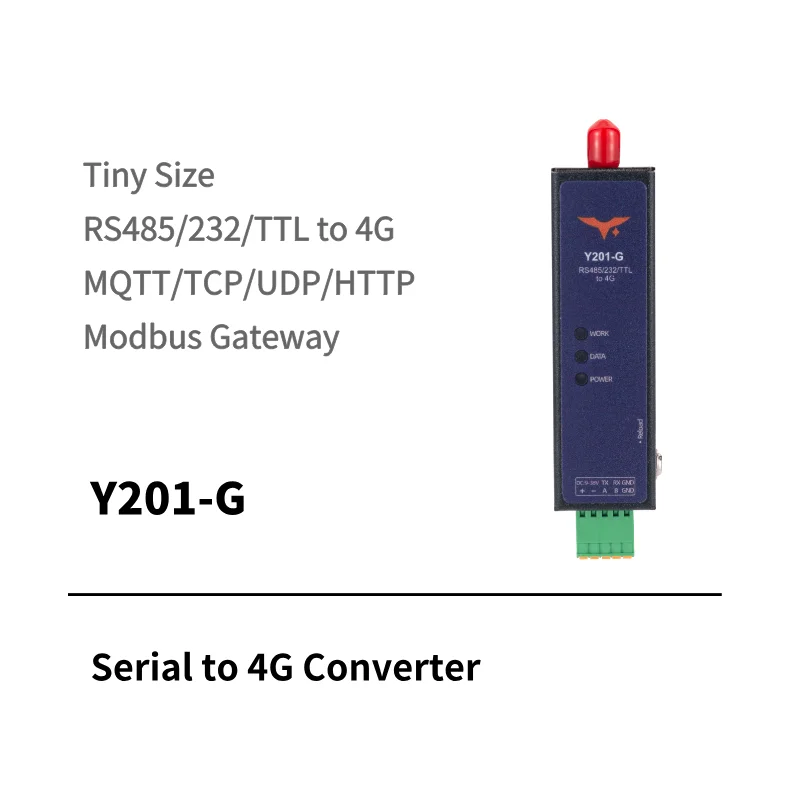
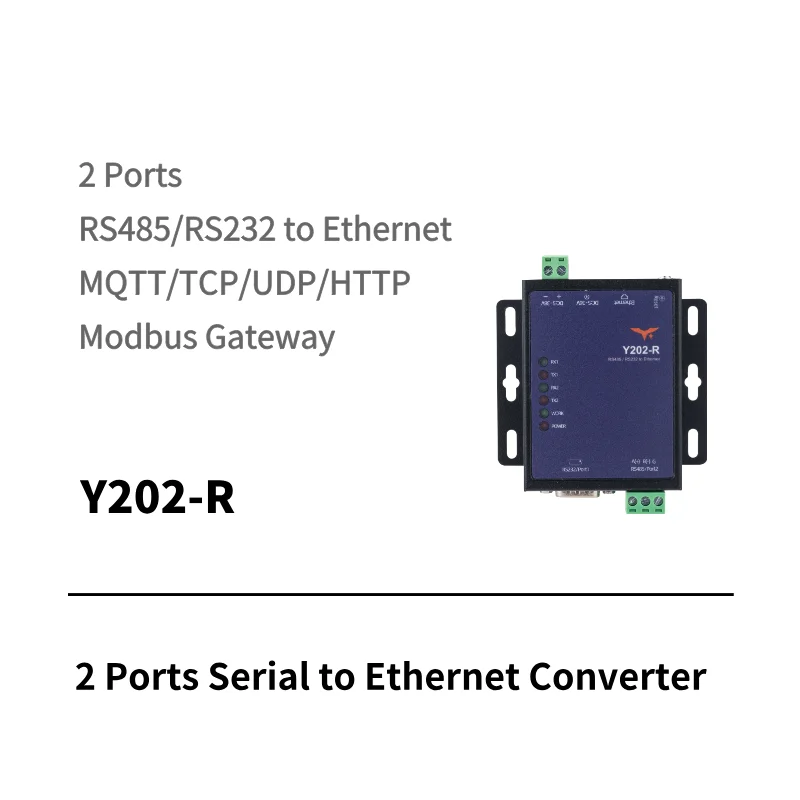
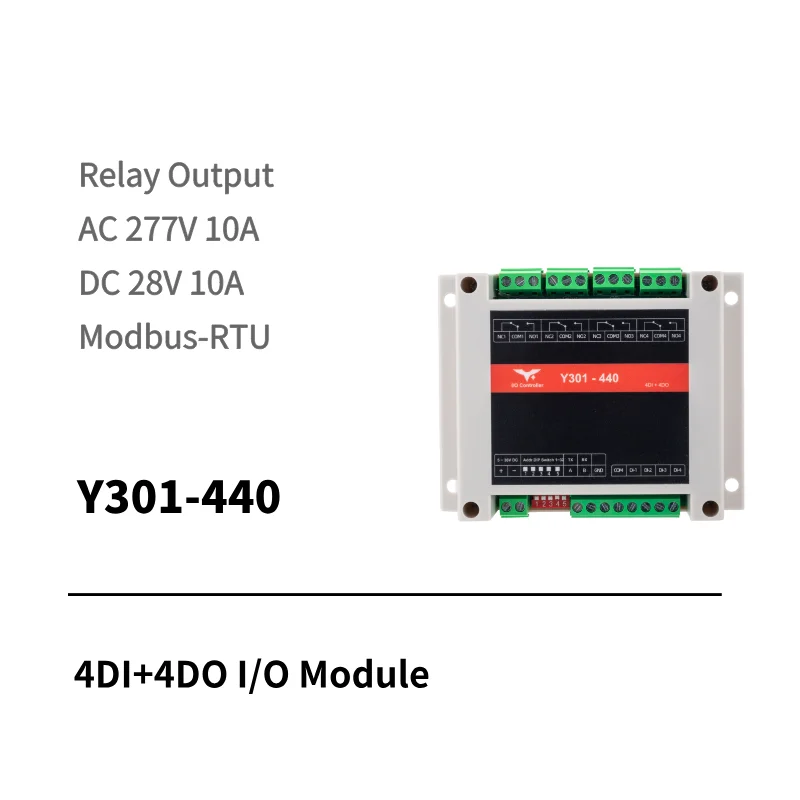
Y301 I/O Modules: The Sensor Interface
The Y301 series provides the critical link between physical sensors and digital systems. For a typical greenhouse, a single module can monitor environmental conditions and control ventilation, irrigation, and lighting.
- Multiple sensor inputs (temperature, humidity, soil moisture, light)
- Relay outputs for actuator control (fans, valves, pumps)
- Modbus RTU communication for industrial reliability
- Edge logic: continues operating even if cloud connection drops
Y201 Serial Gateways: The Communication Bridge
The Y201 series connects your local sensor network to cloud platforms—essential for AI integration and remote monitoring.
- 4G LTE connectivity for remote locations without WiFi
- Local data buffering survives connectivity interruptions
- Over-the-air configuration updates
- Multiple serial ports for connecting several sensors
Open API Integration
The cloud platform’s Open API v2 enables seamless integration with AI systems: data retrieval, device control, factor management, and alert integration. This is the bridge between your hardware and intelligent automation.
2. Four Approaches to Agricultural Intelligence
When considering how to bring intelligence to farming operations, we encounter four fundamentally different architectural approaches. Each carries distinct implications for complexity, reliability, and cost.
🔧 Rules Engine
IF temp > 30°C THEN open vent
- ✓ Deterministic & predictable
- ✓ Works offline
- ✓ Zero API costs
- ✗ Cannot adapt to novel situations
🤖 Minimalist AI
Data → LLM → Action
- ✓ Simple architecture
- ✓ Natural language interface
- ✓ Context-aware responses
- ✗ Requires connectivity
🧠 Agent Framework
OpenClaw / LangChain
- ✓ Complex multi-step reasoning
- ✓ Tool orchestration
- ✗ High complexity
- ✗ Difficult to debug
⚡ Hybrid System
Rules + AI Advisory
- ✓ Reliable automation core
- ✓ Smart insights layer
- ✓ Graceful degradation
- ✗ Integration complexity
📌 Our Recommendation for Small-Scale Growers:
Start with Rules Engine for critical automation (frost protection, ventilation).
Add Minimalist AI for conversational interface and advisory.
Why Not Full Agent Frameworks?
Agent frameworks like OpenClaw offer powerful multi-step reasoning, but for small-scale agriculture, the complexity often outweighs the benefits. Debugging multi-step AI reasoning in a greenhouse at 3 AM when frost is approaching is not practical. Simplicity is a feature, not a limitation.
3. Rules Engine vs. AI: When to Use Each
The choice between rules engines and AI systems is not binary. Understanding their complementary strengths enables more thoughtful system design.
| Dimension | Rules Engine | AI System |
|---|---|---|
| Response Time | Milliseconds ⚡ | 1-10 seconds |
| Adaptability | Fixed rules only | Context-aware ✓ |
| Explainability | 100% transparent ✓ | Variable |
| Operating Cost | Near zero ✓ | Per-query API fees |
| Offline Capability | Full operation ✓ | Requires connectivity |
| Novel Situations | Cannot handle | Reasoning capability ✓ |
| Natural Language | Not supported | Native support ✓ |
💡 Key Insight: Rules engines excel at what they know; AI excels at what it can reason about.
The optimal system uses both: rules for certainty, AI for complexity.
When Rules Engines Excel
- Response time is critical: Frost protection must activate within seconds
- Decision space is well-defined: Temperature thresholds have clear boundaries
- Connectivity is unreliable: Rural areas often have intermittent internet
When AI Provides Value
- Multiple factors interact: Irrigation involves soil moisture, weather forecast, crop stage
- Natural language is preferred: “Why are my tomato leaves curling?”
- Recommendations need explanation: AI can articulate reasoning
4. Why Conversational Interfaces Win
Traditional mobile applications often fail agricultural users. This isn’t about technical ability—it’s about practical reality. App-based interfaces impose burdens that conflict with how farming actually works.
🖐️ Physical Barriers
- Dirty or wet hands
- Gloves required for work
- Bright sunlight glare
- Phone buried in pocket
- Poor rural connectivity
🧠 Cognitive Barriers
- Complex app navigation
- Information overload
- Unfamiliar terminology
- Context switching cost
- Steep learning curve
🌍 Cultural Barriers
- Generational differences
- Trust in experience over tech
- Preference for voice
- Community-based learning
- Skepticism of new tools
These barriers compound: a grower with dirty hands, poor signal, and limited app experience faces multiplicative friction, not additive.
The Conversational Workflow
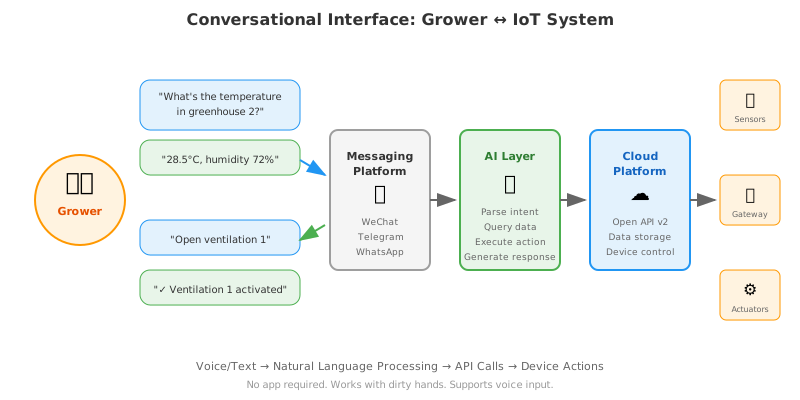
❌ App-Based Workflow (9 steps)
- Remove gloves
- Clean hands
- Unlock phone
- Find app
- Navigate to dashboard
- Interpret data
- Locate control
- Execute action
- Confirm
✓ Conversational Workflow (2 exchanges)
“What’s the temperature in greenhouse 2?”
“28.5°C, humidity 72%”
“Open ventilation 1”
“✓ Ventilation 1 activated”
Why Messaging Platforms Work
In many regions—particularly rural China—messaging platforms like WeChat have achieved near-universal adoption. A conversational AI assistant through familiar messaging offers:
- Zero learning curve: The interface is already mastered
- Voice input support: Speak instead of type—works with dirty hands
- Asynchronous interaction: Check messages when convenient
- Social proof: If neighbors use it, adoption barriers lower
5. System Architecture: Rules + AI Advisory
The hybrid architecture combines the reliability of deterministic rules with the intelligence of AI advisory. Critical operations run on rules; complex decisions get AI support.
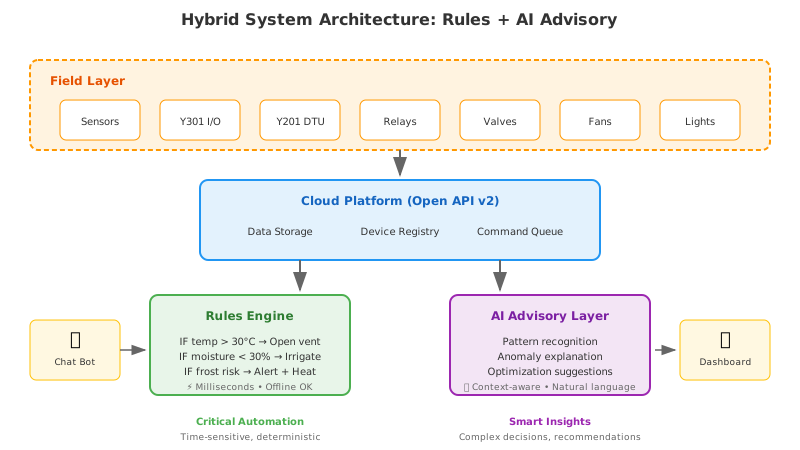
Automation Boundaries: What to Automate vs. Advise
| 🤖 Automate (Rules) | 💬 Advise (AI) | 👤 Inform Only |
|---|---|---|
|
• Temperature-based ventilation • Frost protection alerts • Emergency shutoffs • Scheduled irrigation • Lighting timers |
• Pest management timing • Nutrient adjustments • Harvest optimization • Weather-based planning • Anomaly explanation |
• Market price analysis • Long-term crop planning • Capital investments • Variety selection • Land use decisions |
🔑 Key Principle: Automate what’s time-critical and well-understood. Get AI advice for complex decisions. Keep humans in control of irreversible choices.
Data Flow: From Sensors to Intelligent Actions
Understanding the complete data flow helps appreciate how each component contributes to the intelligent system.
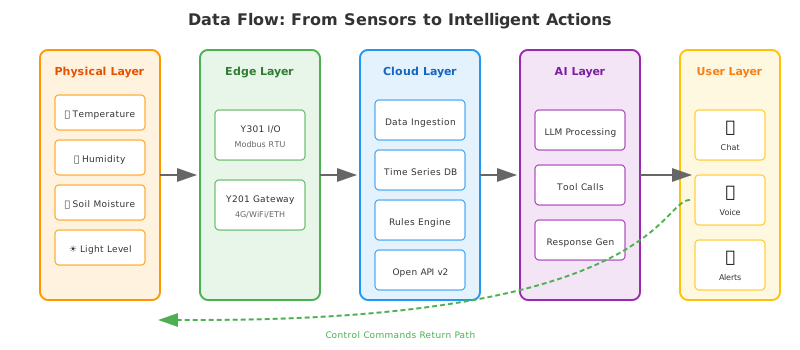
The bidirectional flow ensures that user commands—whether through chat, voice, or dashboard—translate into physical actions in the field, while sensor data continuously feeds back to inform both automated rules and AI recommendations.
6. Progressive Implementation Pathway
Rather than attempting comprehensive AI integration immediately, we recommend a progressive enhancement approach. Each phase builds on the previous, demonstrating value before adding complexity.
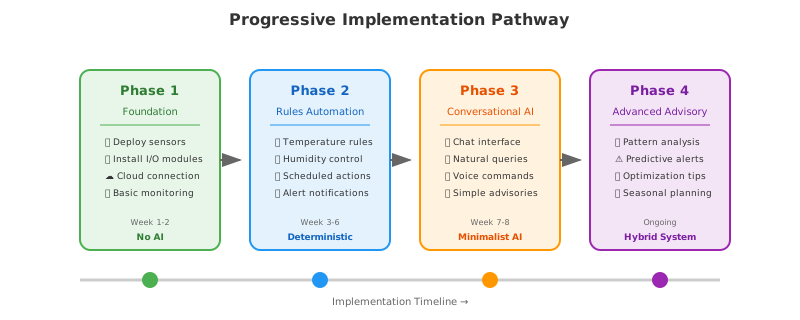
Phase 1: Foundation (Weeks 1-2)
Deploy hardware infrastructure—sensors, I/O modules, cloud connection. No automation yet. Focus on reliable data collection and building familiarity.
Phase 2: Rules Automation (Weeks 3-6)
Implement deterministic rules for well-understood scenarios. Temperature-based ventilation, scheduled irrigation, alert notifications. Build trust without AI complexity.
Phase 3: Conversational AI (Weeks 7-8)
Add conversational interface using minimalist AI. Enable natural language queries and commands through messaging. AI assists, doesn’t decide.
Phase 4: Advanced Advisory (Ongoing)
Expand to pattern recognition, predictive alerts, and optimization recommendations. The hybrid system matures.
⏱️ Time to First Value: Most growers see measurable benefits within 2 weeks of Phase 1 deployment—before any AI is involved.
7. Real-World Case Studies
The following anonymized case studies demonstrate practical outcomes from implementing this framework.
Case Study A: Greenhouse Flower Operation
Central China • 4 greenhouses • Orchid cultivation
Challenge
Owner (age 58) struggled with smartphone apps. Environmental alerts often went unnoticed for 2+ hours. Manual irrigation led to inconsistent soil moisture.
Solution
Deployed Y301 modules + Y201 gateway. Rules-based ventilation and irrigation. WeChat-based conversational interface for monitoring and manual overrides.
Results After 6 Months
“I just send a voice message: ‘How’s greenhouse 3?’ It tells me everything. My daughter set it up, but I use it every day.” — Owner
Case Study B: Vegetable Farm
Northern Region • 8 acres • Tomato & cucumber
Challenge
Family operation with limited labor. Needed to monitor multiple fields but couldn’t afford full-time monitoring staff. Previous “smart farming” app was abandoned after 2 weeks.
Solution
Phased implementation over 8 weeks. Started with monitoring only (Phase 1), added irrigation rules (Phase 2), then conversational AI for pest identification queries (Phase 3).
Results After 4 Months
“The old app had 50 buttons. This has one: I talk to it. That’s why we actually use it.” — Farm manager
8. Recommendations & Next Steps
Based on our analysis and real-world implementations, we offer the following recommendations for small-scale growers considering AI integration:
-
Start with Rules, Add AI Later
Begin with reliable, deterministic automation. AI should enhance a working system, not replace a non-existent one. -
Embrace Conversational Interfaces
Invest in AI interfaces that work through familiar messaging platforms. The best technology is the one growers will actually use. -
Preserve Human Judgment
Design systems that inform and advise rather than decide and act. AI should amplify grower knowledge, not supplant it. -
Choose Minimalism Over Complexity
For most small-scale operations, Data + Prompt + Tool Call provides sufficient AI capability without agent framework complexity. -
Plan for Offline Operation
Rural connectivity is unreliable. Core automation must operate independently. AI advisory can be intermittent; frost protection cannot. -
Build Trust Incrementally
Each phase of automation should demonstrate value before the next begins. Trust is earned through consistent, transparent operation. -
Measure What Matters
Define success metrics before implementation. Measure outcomes (yields, labor, resources), not technology adoption.
Conclusion
The integration of AI into small-scale agriculture is not a question of whether, but how. For the grower managing 10 acres of tomatoes or tending 3-5 greenhouses of flowers, the path forward is clear:
- Build a solid foundation with reliable sensors and connectivity
- Automate the obvious with deterministic rules
- Add intelligence gradually through conversational interfaces
- Preserve human judgment for complex and consequential decisions
The goal is not to replace the grower’s expertise but to extend it—to provide the information and automation that enables better decisions and reduces unnecessary labor.
In this vision, AI serves agriculture. Not the reverse.
Ready to Start Your Journey?
Begin with Phase 1: Deploy sensors and establish reliable data collection. The intelligence layer can follow.